
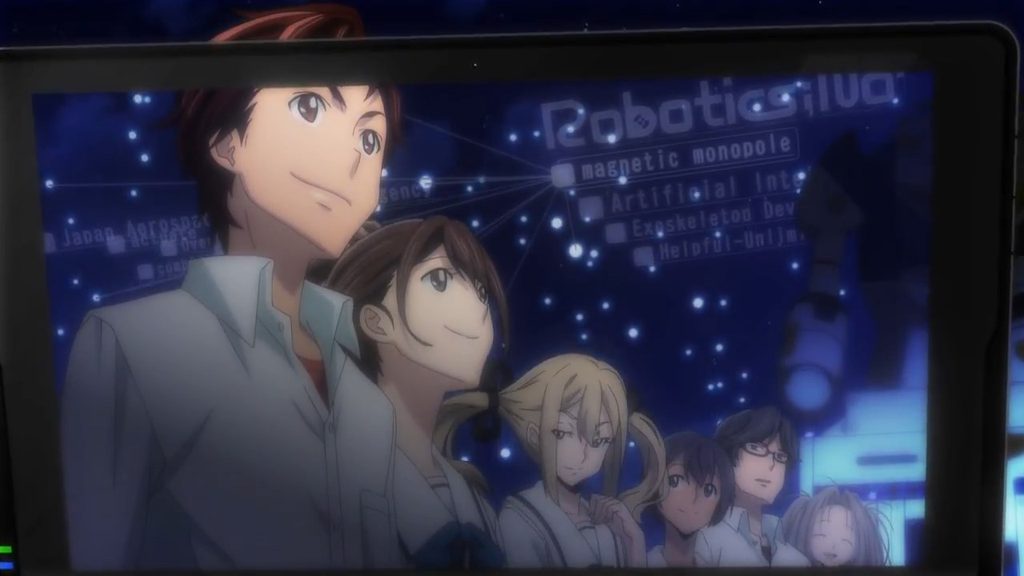
Robotics;Notes Elite’s structure is one of the most criticized aspects of the game. Why does a linear story even have a pseudo-route system? Well…
While it may not be perfectly executed, the structure of the game was actually a great idea that complements the story and themes in ways that have gone underappreciated.
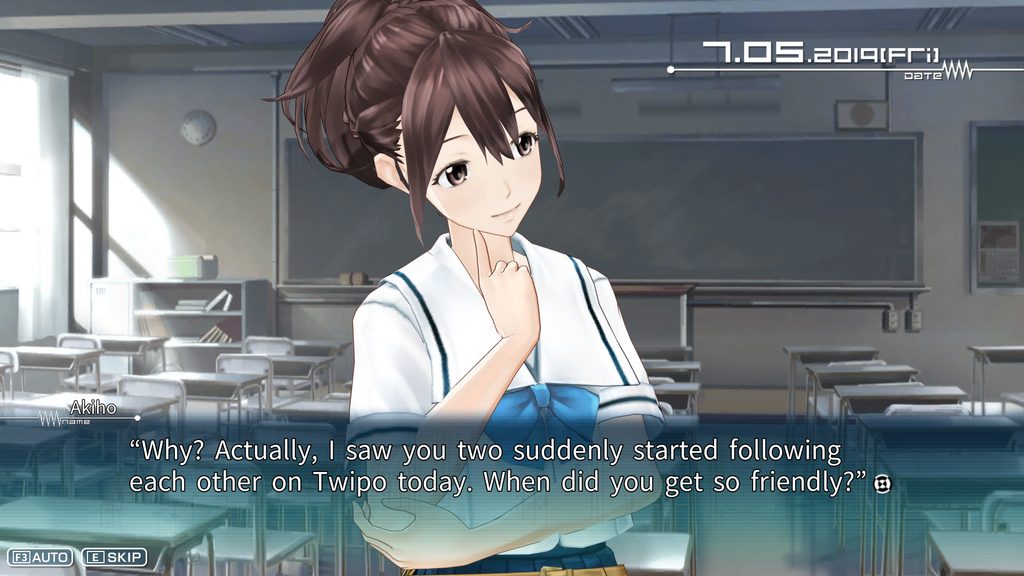
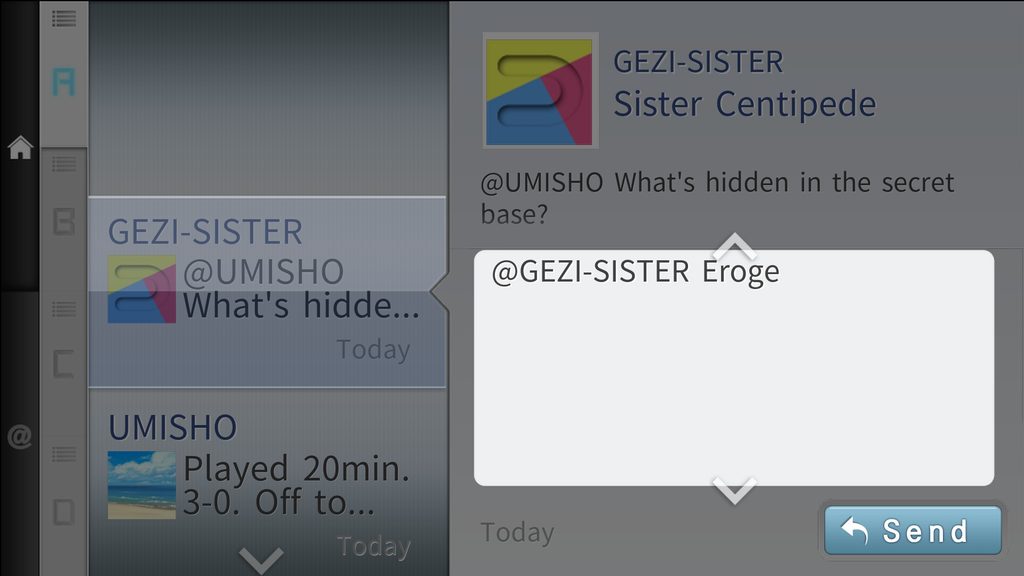
The main choice system for Robotics;Notes Elite is the “Twipo Trigger”, continuing the Science Adventure series’ tradition of unorthodox systems that try to reduce the gap between the protagonist and the player. This overarching philosophy that started with Chaos;Head has the player influence some sort of character action directly rather than be presented with discrete choices. Similar to how Steins;Gate’s Phone Trigger has the player reply to text messages, the Twipo Trigger involves choosing replies on social media posts.
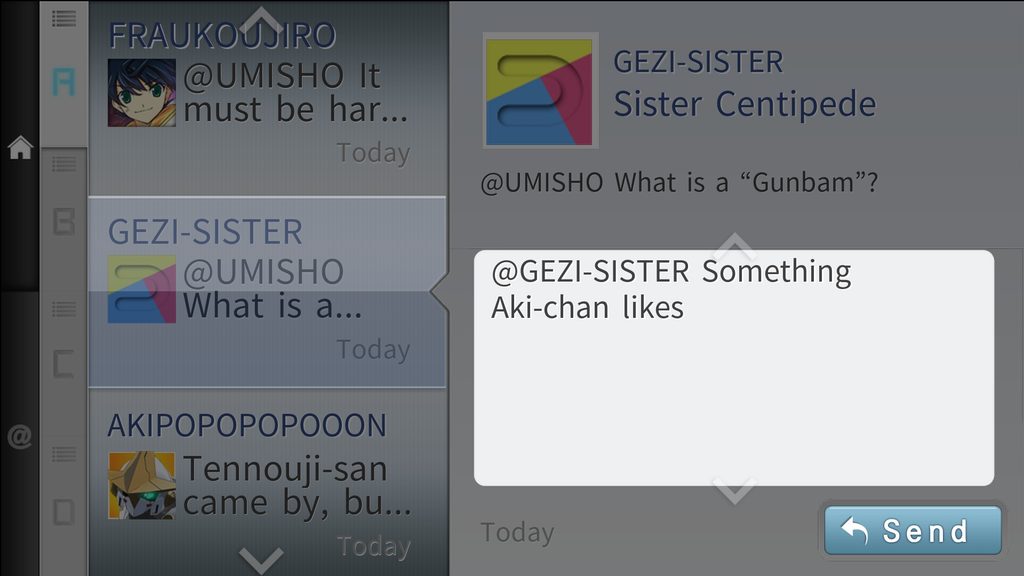
Unlike previous games, however, the Twipo Trigger doesn’t lead you to alternate endings. Instead, the appropriate responses in Phase 4 and 5 lead you to canon, numbered game chapters: Phase 6, 7, and 8. These chapters happen chronologically and reference events from the previous ones. Each of them is tied to a specific character, but there’s no indication in-game for what order you should be replying to the characters in. This means that if you’re playing blindly you could end up on Phase 8 before Phase 6, for example. Hence, the controversy.
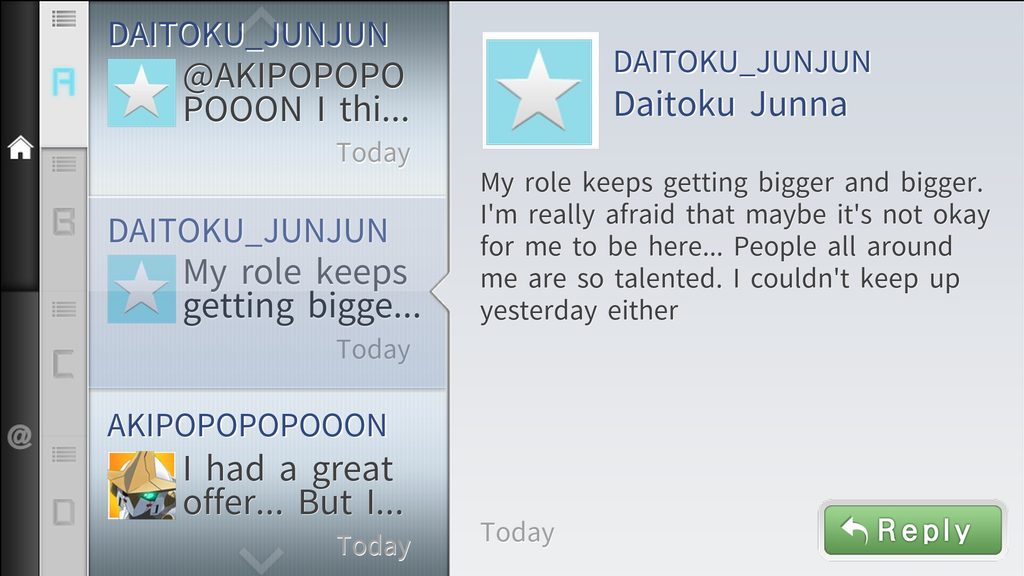
The objective of the Twipo Trigger is to deepen Kaito’s friendship with other characters and help their character development, as well as Kai’s own. To reach Phase 6, you must choose responses to Junna that encourage her to come out of her shell and make her feel like a part of the group. The wrong responses are ones that would actually deepen her insecurities. Phase 7’s require you make Frau feel welcomed on the island and display concern for her wellbeing. The wrong replies tend to be very rude and judgmental. For Phase 8, you just have to pick the factually correct responses to Sister Centipede’s questions, with information given to you in the story, satiating her AI curiosity.
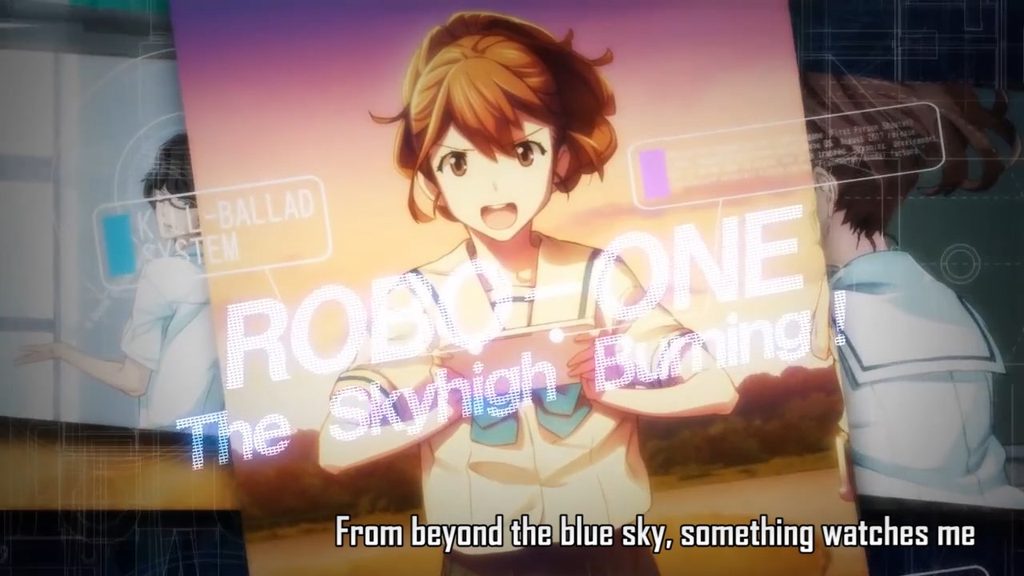
The implication of failing to do the above is given in the lyrics of the FES song Clad in Steel Armor, High Priest of The 300 that plays during the credits of Phase 5 through 8. If you don’t sufficiently build up the bond between Kaito and the others to reach the True End where they save the world together, you’re dooming the miraculous Steins Gate world line.

In the case of Sister Centipede in particular, a very emotional scene in Phase 12 hinges on a throwback to her questions to Kaito on Twipo. That moment always hits because those interactions were tied to flags that the player was forced to engage with to reach this point, rather than just a missable side mode.
I think most people enjoy Twipo as a tool for extra characterization and worldbuilding, only taking issue with needing to use it for progression. However, tying it to progression is also precisely what makes it so more players will create a habit of looking at it often.
The execution is far from perfect, though. A choice system designed to be more immersive isn’t succeeding if it’s obtuse to the point of most players requiring a guide. Allowing players to read the chapters out of order has no benefits. The way reading them out of order would lead to missing content (D-tab tweeps) indicates the developer’s intention wasn’t an experiment in optional non-chronological storytelling.
Another problem is that applying a route system associated with alternate endings to a linear storyline without branches is simply confusing. Despite every character ending being canon, it isn’t unusual for players to question whether the Nae’s ending actually happened, since the transition to other phases happens before it.
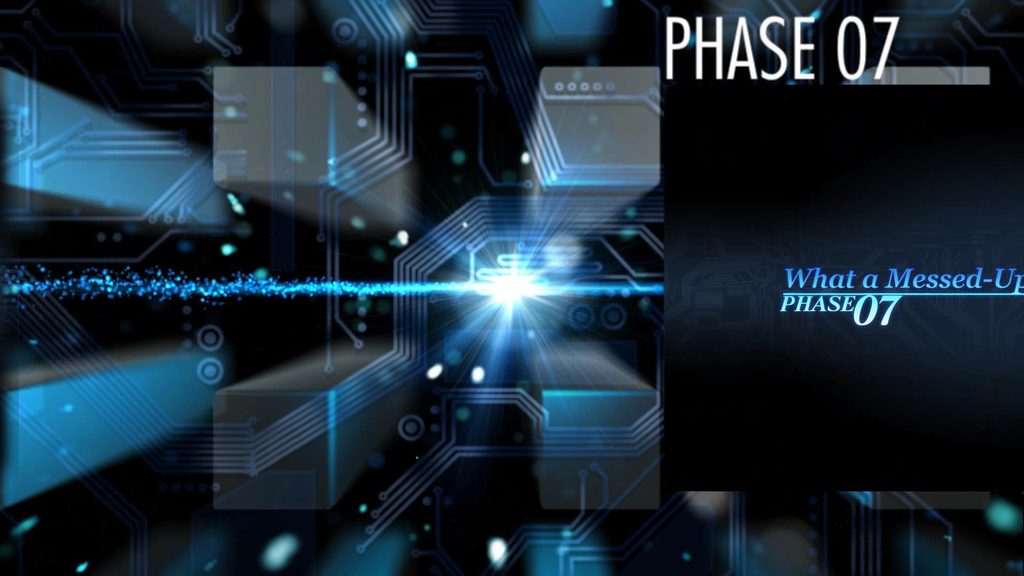
The animation that plays when moving from Phase 5 to Phases 6, 7 and 8 didn’t even exist in the original release of Robotics;Notes for Xbox 360 and PlayStation 3. It was an addition to Robotics;Notes Elite to try fixing this known issue. Unfortunately, while it was helpful, it wasn’t a complete solution to the problem. Pretty much everyone agrees you should go into Robotics;Notes knowing how its structure works ahead of time, because its systems feel confusing or misleading.
It’s precisely the induced reliance on guides that leads to a widespread lack of appreciation for the positive aspects of this system. Because players follow the guide without thinking, it makes it harder to understand the combined weight of each response. Players only come to notice the skeleton of the system that’s getting in the way of their progression, without realizing what it’s supporting.
This can be amplified once players get past Phase 5 and have to start answering tweeps in seemingly bizarre ways if they still think it’s necessary for progression. Understanding those answers requires knowing ahead of time what the easter eggs they unlock in the D-tab will be, which spoiler-free guides would try to obfuscate. Not every player thinks back to why the answers were that way after the fact.
While it might add to the confusion, I personally like that the credits play as often as they do. I see it less like the credits at the end of a visual novel route and more like the credits at the end of an anime episode or a multi-part movie. They help punctuate the story. I don’t think it would feel right to move straight from the end of Phase 6 to the titlecard of Phase 7 and so on. While they aren’t traditional route endings, they still end with a unique weight that is good to bask in while music plays. My only note is that I wish Junna’s, Frau’s and Airi’s ending themes were character songs like the route endings for Chaos;Head Noah.
There’s also a false rumor that’s been spread among fans that Robotics;Notes’ systems were a late, last-minute addition to make it a proper “adventure game”. This isn’t true. The Robotics;Notes Axiom Book, essentially the game’s pitch document made public, shows that using the PokeCom as the branching system was planned from the start, before the story was written.
Playing Anonymous;Code gave me a greater appreciation for the gameplay of Robotics;Notes. I don’t want to spoil anyone, so I’ll hide the section below. Only click it if you’ve played Anonymous;Code and read its artbook. I won’t explain any of the game’s jargon.
Anonymous;Code Spoilers (click to see)
Anonymous;Code made it clear that Robotics;Notes is an Earth Simulator with its parameters set to “Augmented Science Adventure”. You’re the Observer and Kaito is the Factor. As the Observer, you interfere through your choices, the same way Anon guides Pollon. While there isn’t a direct meta relationship between you and Kai from his end, you’re supposed to feel that connection through your guidance.
This connection is alluded to in the first actual Bad End in Robotics;Notes, which branches out from KillBallad rather than Twipo. If you choose to input perfectly and make Akiho lose, Kaito doesn’t actually understand the meaning of his actions. He says he was hoping for a miracle, a message from God. You were the “God” that was supposed to interfere and failed.
The Trigger systems here are essential in the build up of the Science Adventure games as a series of Earth Simulators you’re interfering in that culminates in Anonymous;Code. This follows other critical clues in Robotics;Notes such as the visuals of the transition animation between phases resembling aspects of Pollon’s Save & Load animation or the settings shown when the POV switches away from Kaito.
If I were to redesign the systems in Robotics;Notes, I would never remove the Twipo Trigger requirements. My idea is the following:
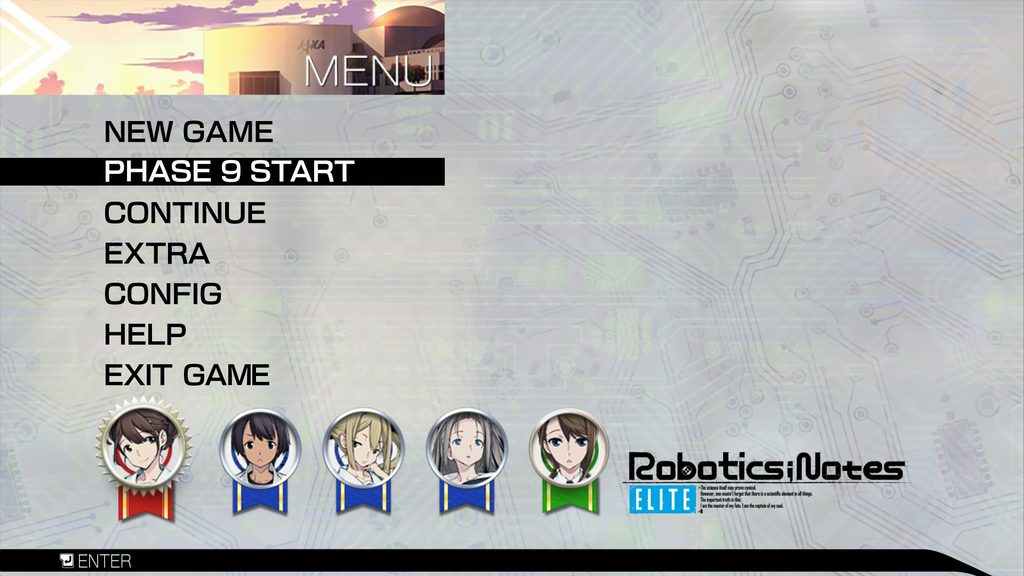
Remove the branching point from Phase 5. Make Phases 6, 7 and 8 accessible from buttons in the title screen, the same way Phase 9 is. To unlock them, you’d have to read all previous phases and you must still reply correctly to every corresponding tweep in Phases 4 and 5.
This way, you could potentially unlock every phase in a single playthrough. There’d no longer be the need to avoid specific tweeps to ensure you move into the right phase. The confusion regarding the game’s chronology would be gone, and so would the possibility of reading it out of order.
The first lyrics to Avant Story, the opening of Robotics;Notes DaSH, are “drawn together by a mysterious force, during those days in which our feelings overlapped.” You are the mysterious force who drew them together in the previous game. You helped make their feelings overlap.
Hopefully I’ve been able to show how the Twipo Trigger strengthens the themes of bonds, teamwork and friendship in Robotics;Notes as a crucial aspect of its character development. If you only saw its structure as a flaw before, I’d be happy if you now understood its hidden merits.
Nocchiyo!
