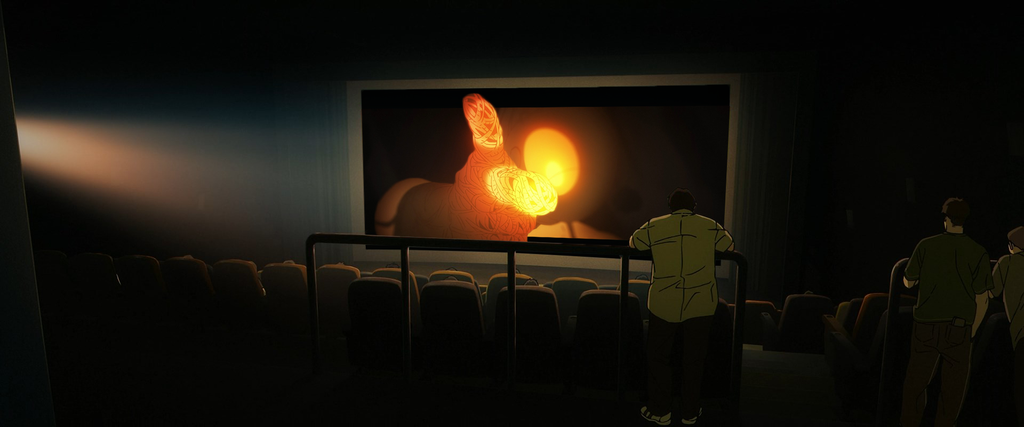
Last year, I saw the Chainsaw Man movie in theaters twice, in an increasing amount of dimensions. To commemorate the movie’s first anniversary today, here is my recollection of that experience!
This post contains spoilers for Reze Arc.
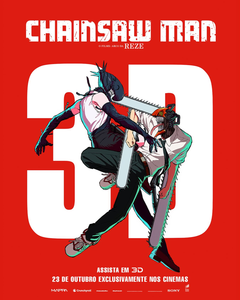
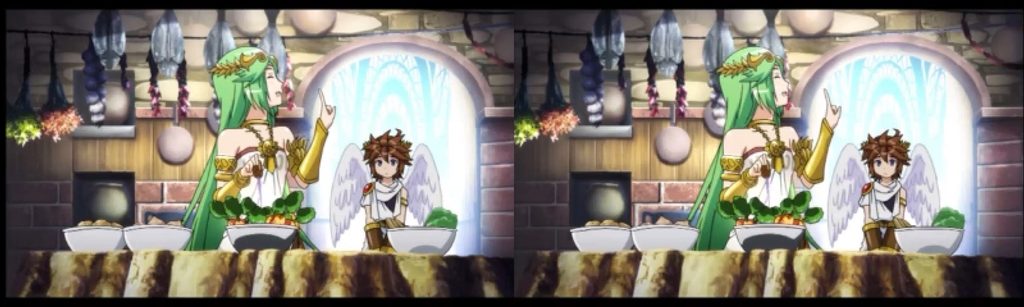
When it was announced that Chainsaw Man: The Movie – Reze Arc would have 3D showings internationally, I absolutely had to see it that way. A 2D anime in stereoscopic 3D is something I had only seen when Nintendo and Shaft collaborated on Palutena’s Revolting Dinner all the way back in 2012!
I honestly could hardly believe Sony was releasing this when they’d even dropped the format for Across the Spider-Verse despite Into the Spider-Verse being one of the best 3D movies I’d ever seen. While many consider 3D movies to be a gimmick, I really enjoy watching them. I think they’re full of potential. Much like other aspects of a movie, the use of depth can enhance the experience when done well.
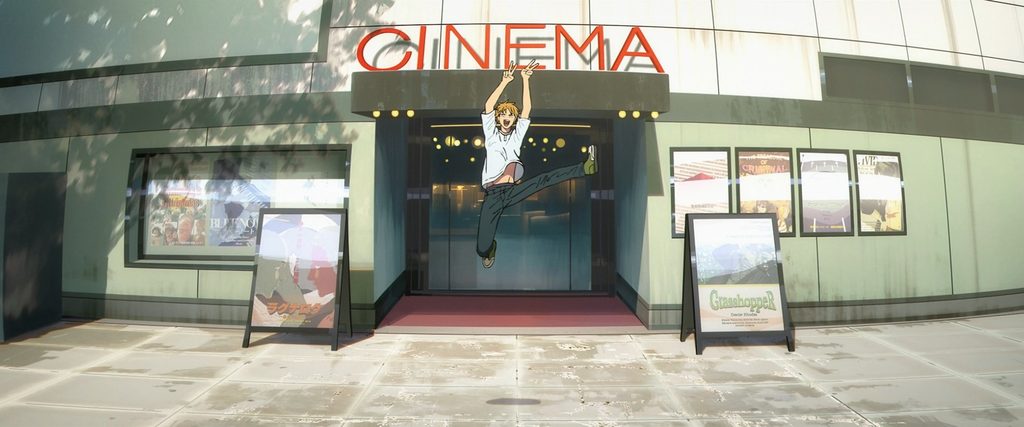
Unfortunately, I couldn’t see it in 3D right away, so I saw it in 2D first. Fortunately, that gave me an excuse to see it a second time. I haven’t read the manga, and this a story that really benefits from a repeat viewing!
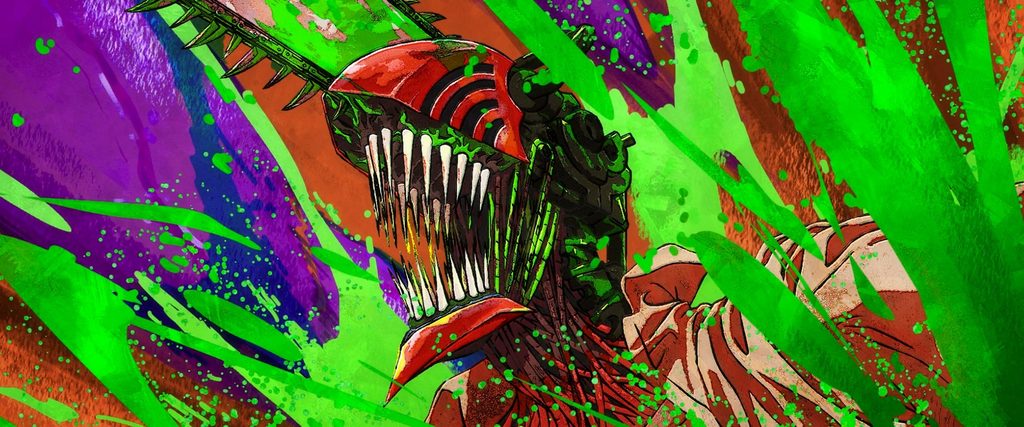
I really loved how colorful the movie was under Tatsuya Yoshihara’s new direction. The manga’s covers were always so striking, so when the first season was revealed, I was disappointed with how dull it looked. It’s not like anime adaptations need to take cues from manga covers when defining their art style, but the TV show’s “realistic” take didn’t win me over. I also greatly preferred the character designs in the movie looking closer to Fujimoto’s art style and being animated more loosely. The fights felt like a total spectacle.
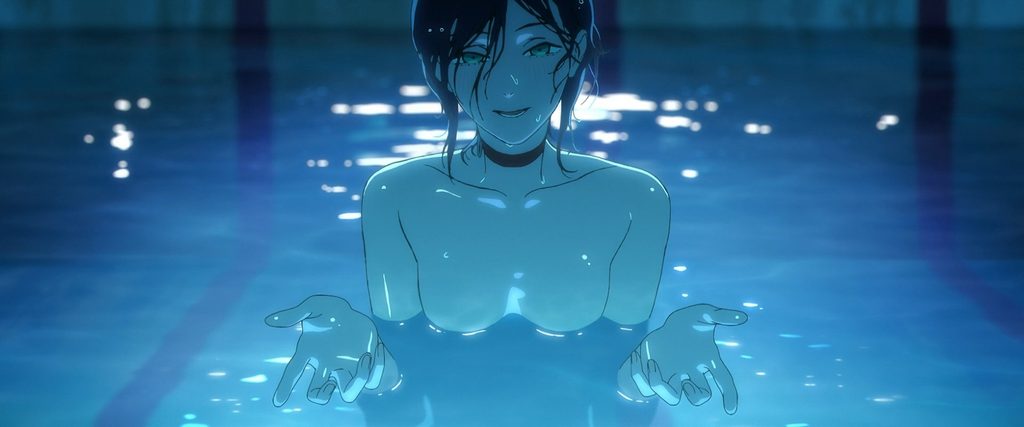
The music in the movie is fantastic. Kensuke Ushio is undoubtedly one of the best composers working on anime and the movie’s soundtrack was an incredible accomplishment. The way certain track pairs like “in the pool” + “in the ocean”, “slow summer eve” + “sweet danger”, “Jane slept in the church” + “the secret” perfectly linked scenes together in your mind was so good.
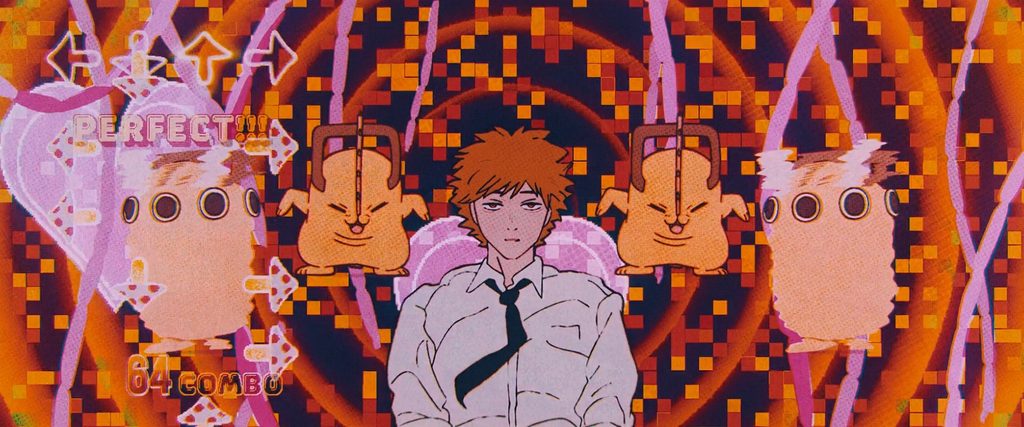
Kenshi Yonezu was also in top form here. The opening, IRIS OUT, is an earworm that never leaves your head. The ending, JANE DOE, is a beautiful duet with Hikaru Utada. Maximum The Hormone’s insert song kicks in at the perfect moment and the fact we’ve now “unlocked” 70% of the song is a funny bit. I’m looking forward to hearing the full piece one day once the adaptation is finished.
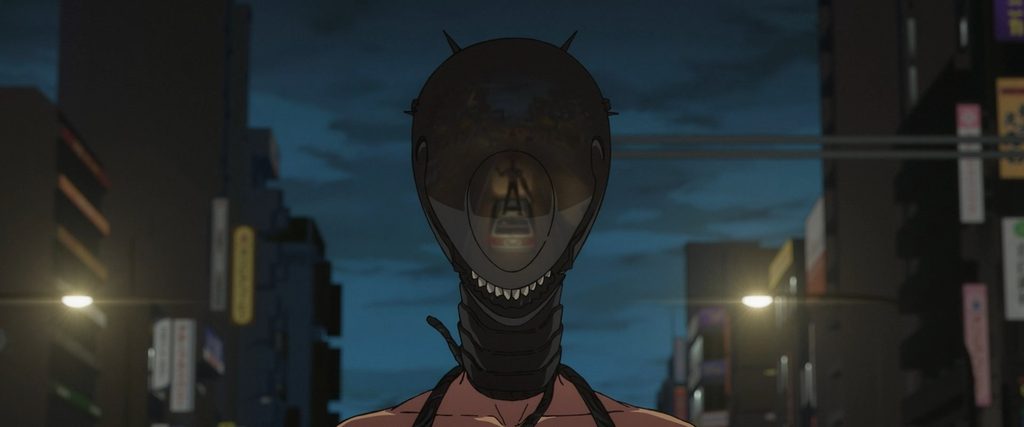
Ueda Reina’s performance as Reze was phenomenal and feels like one of her career-defining roles. She’s a character that demanded a lot of range to depict from her initial bubbly and flirty exterior to her serious mission-driven scenes and eventual heartbreaking line deliveries. All of this while still sounding distinctly like Reze. Her “booms” are also totally iconic.
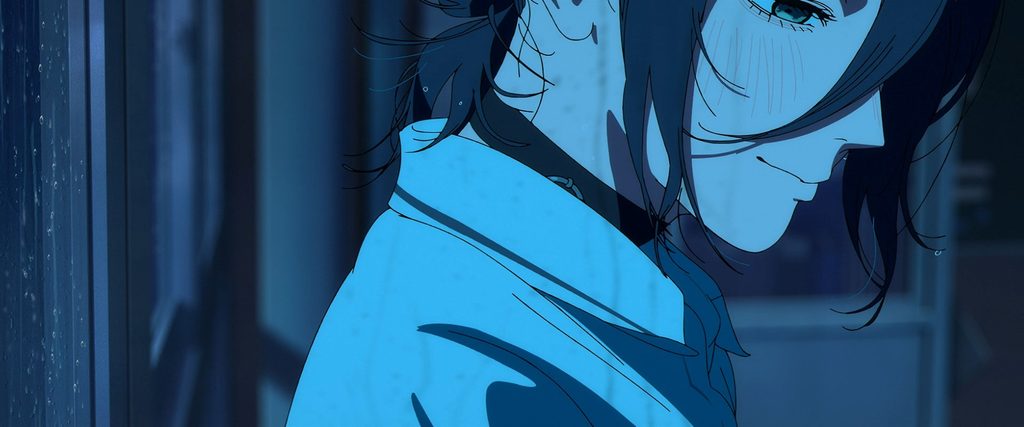
Reze was a mysterious character the first time I watched the movie. Promotional material already made it clear she’d turn out to be the Bomb Devil, so her actions were suspicious. It was hard to see what her angle was exactly, though. My POV was much more closely aligned with Denji’s, as it was hard not to be taken in by her even if he was clueless about her compared to me. Once the halfway point twist happens, it’s easy to assume for the rest of the movie that she was only with Denji for nefarious reasons.
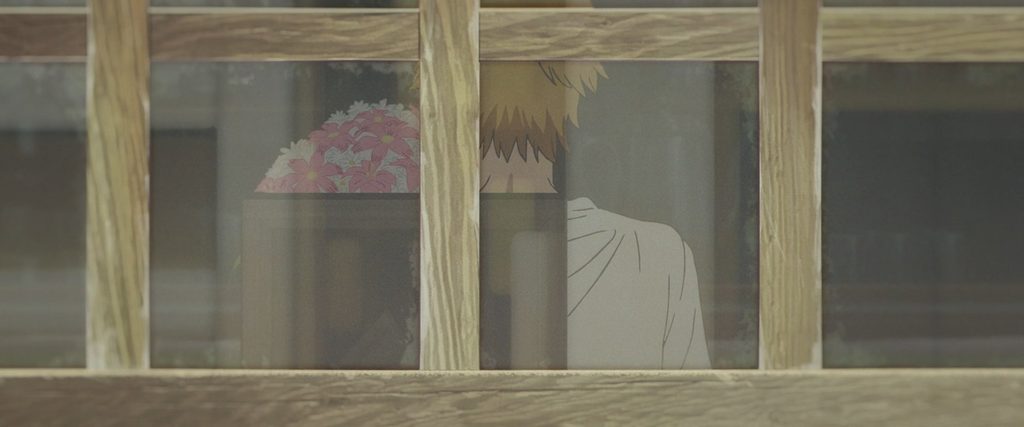
Yet, the line she says before dying, “I’ve never been to school either.”, completely shifts your perspective on the whole film. That single line hit me like a bomb that overwhelmed me with emotion. It’s what makes the movie really special.
Watching Reze Arc a second time is incredible because, once you know the full story, you can suddenly understand exactly what Reze is thinking in every scene. She’s no longer a mystery and the tragedy of her character is accentuated. Now, all the symbolism in the movie is so much clearer.
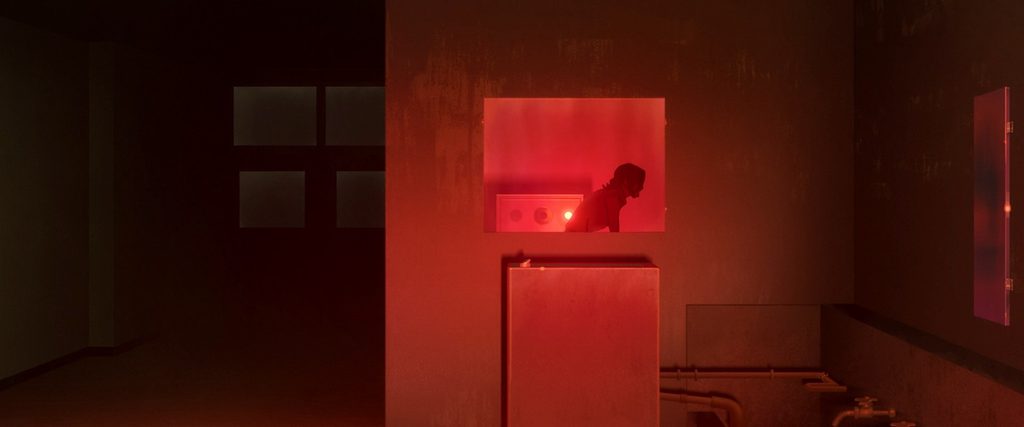
I particularly liked how red was used as a motif for her life as the Bomb throughout the film, in contrast with white and brightness representing her potential life with Denji. It’s first used in the scene where she excuses herself to go to the bathroom as we first get a glimpse of her inner struggle.
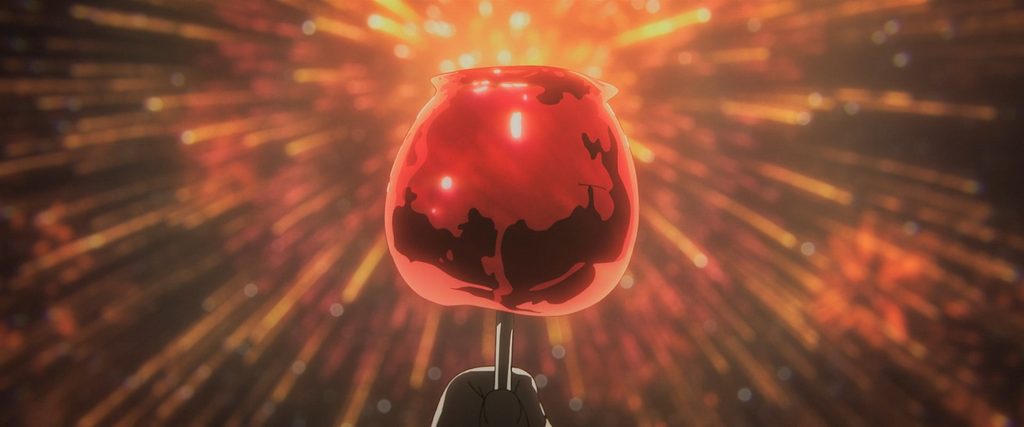
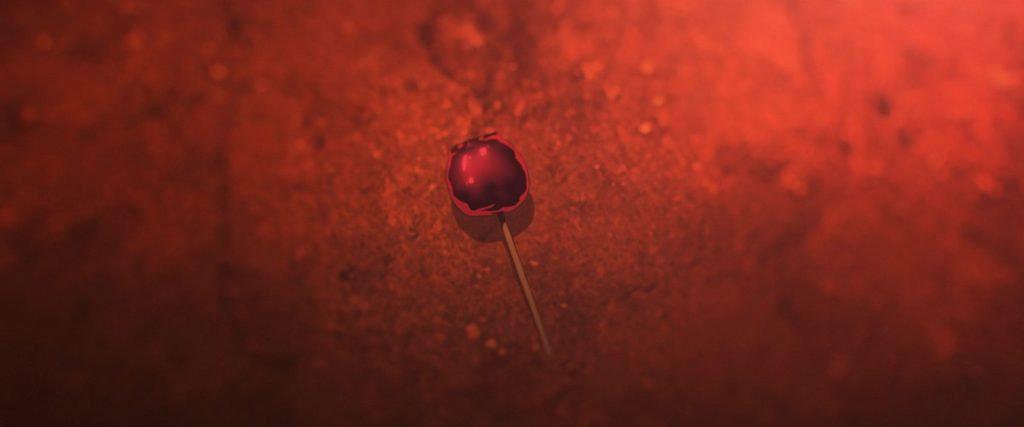
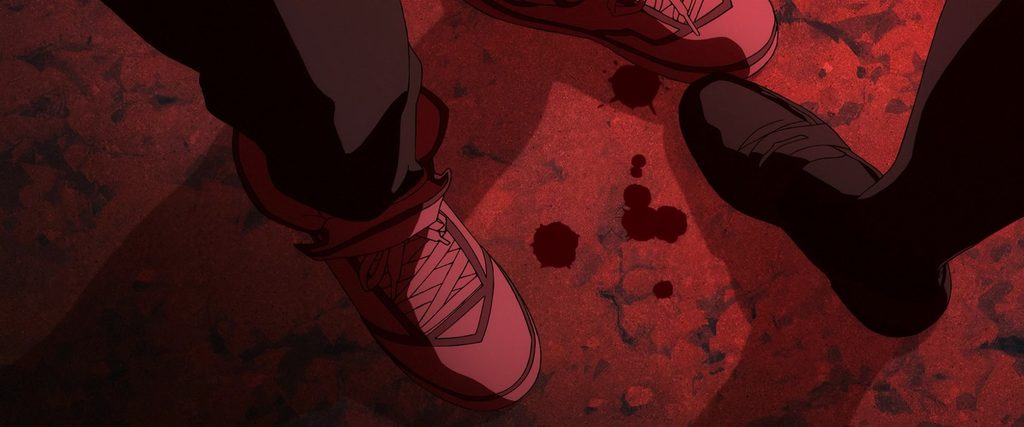
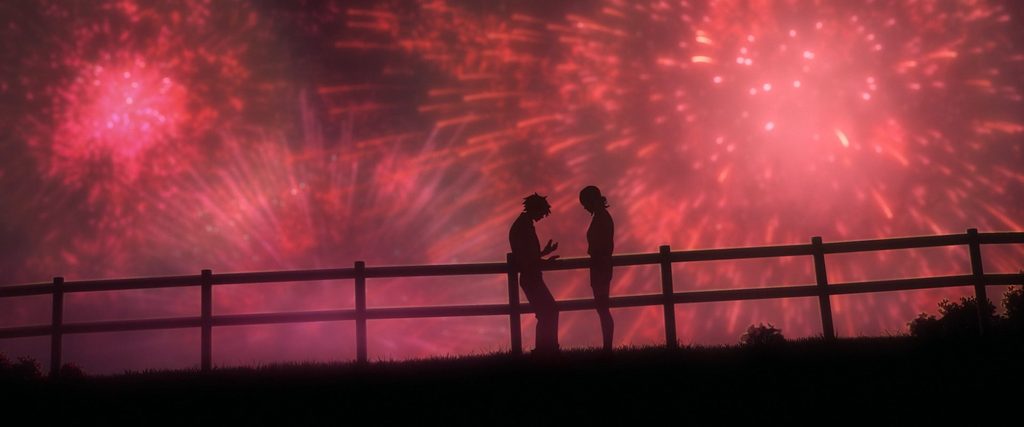
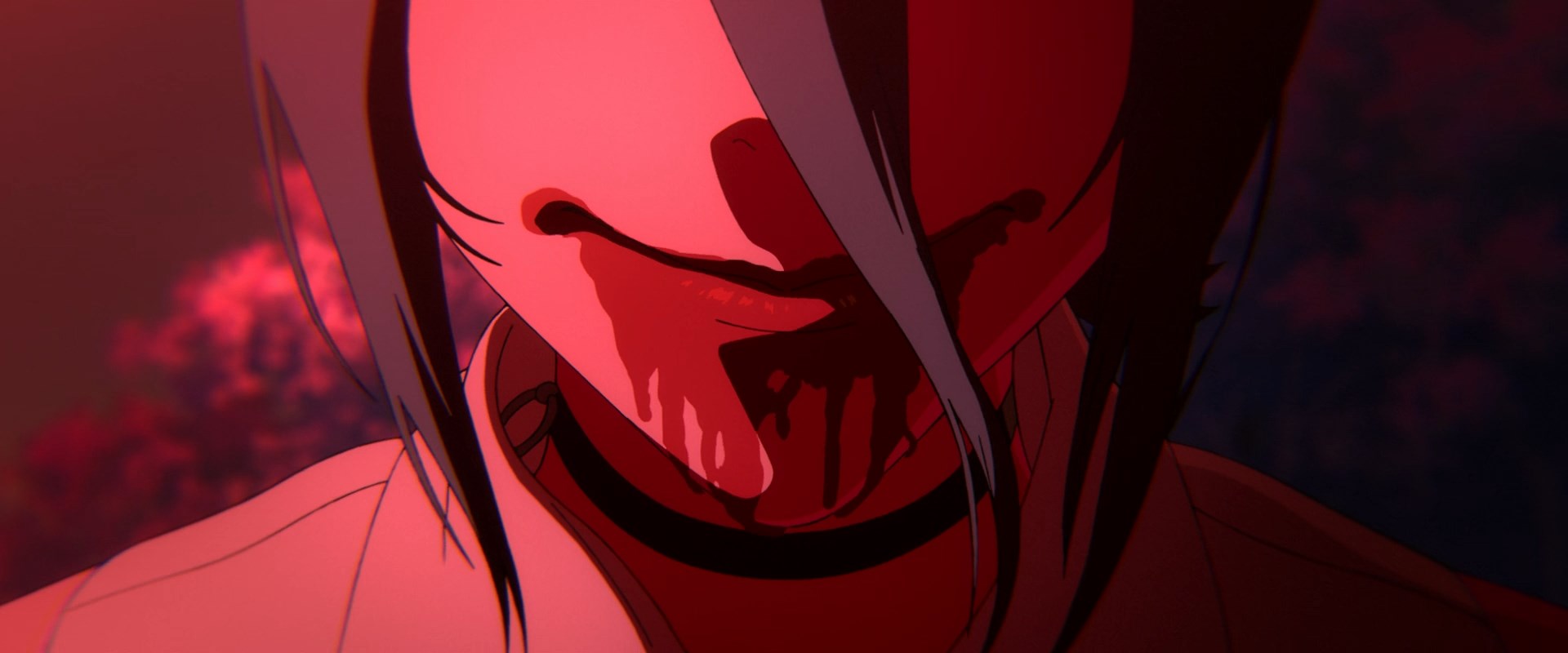
The next big moment is when the little girl drops her candy apple during the festival, right as we cut to Reze biting Denji’s tongue off with blood spraying everywhere, all while bathed in red fireworks.
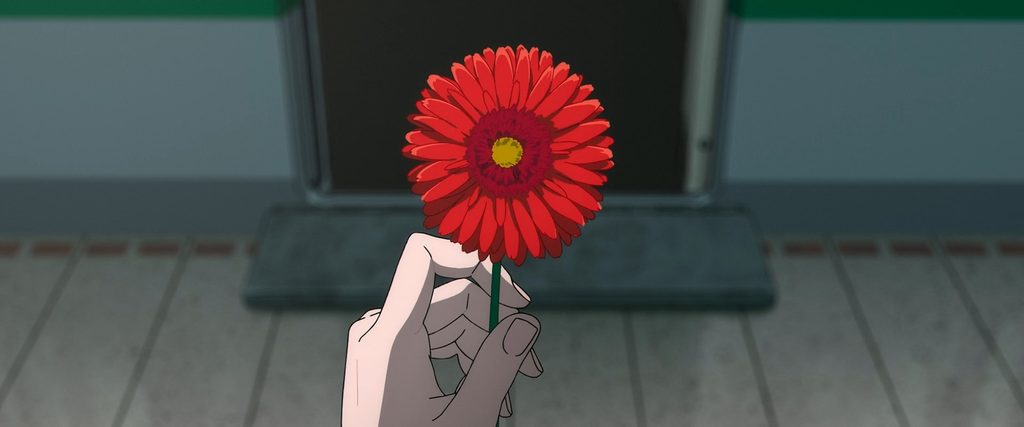
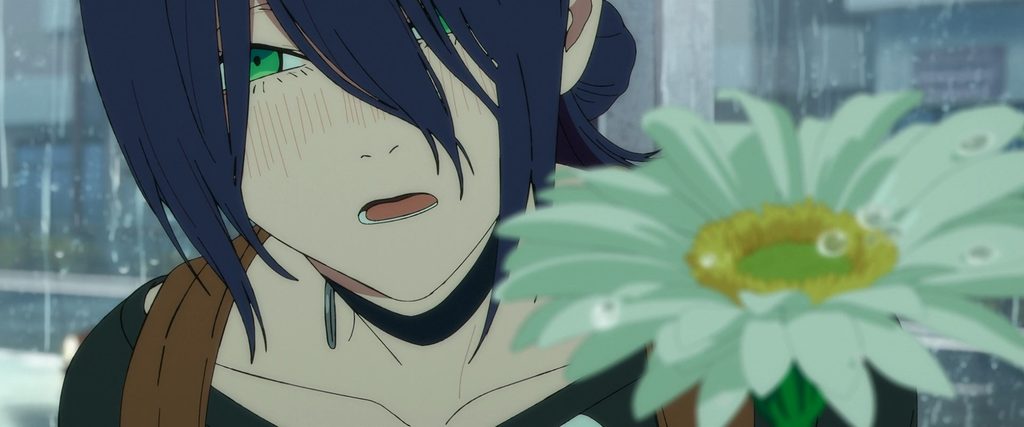
Finally, at the end of the movie, she receives a red flower for her donation, mirroring the white daisy that Denji gave her at the start of the movie that symbolized their relationship throughout. Looking at it, she decides not to board the train. She leaves the red flower behind as she runs to meet Denji who’s holding a white and pink bouquet in the bright café, before meeting her tragic fate.
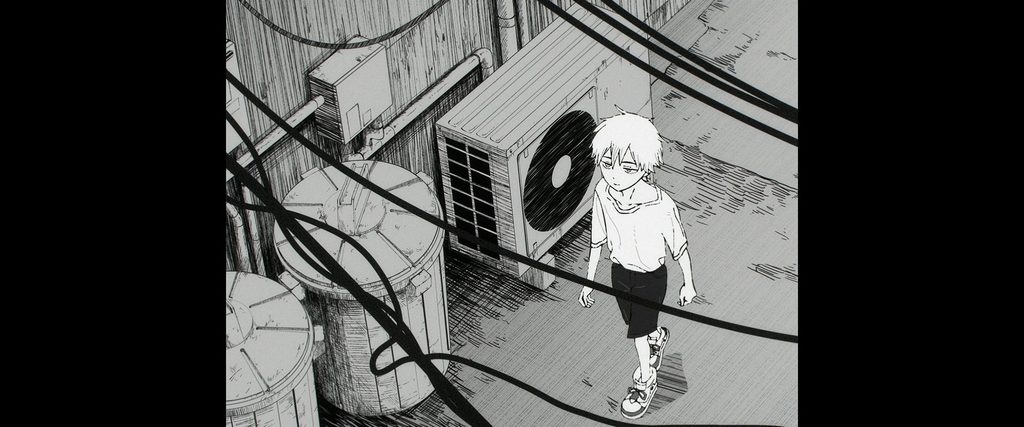
Now, let’s talk about the 3D. It was really well made. There were three or so shots I noticed where the depth of certain elements felt off but the movie generally looked amazing. I was totally hooked from the very first scene, the black & white dream sequence.
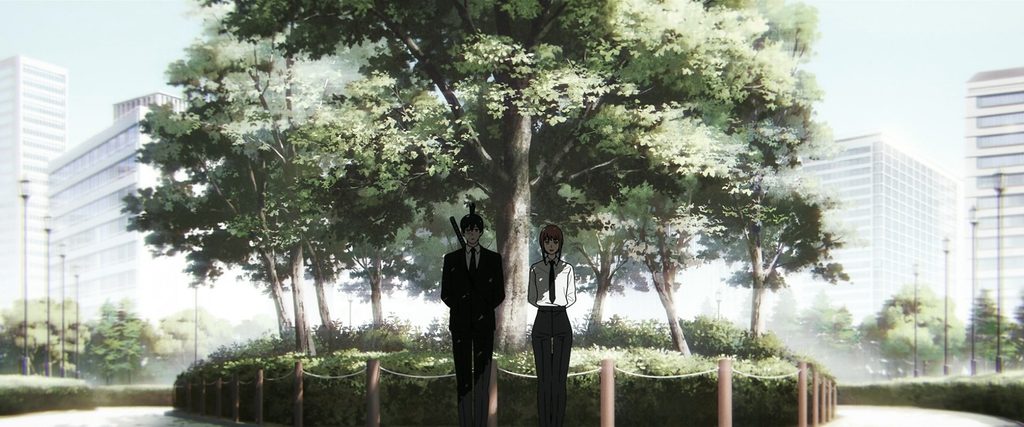
During my first viewing I kept imagining what certain scenes would look like when converted. I remember thinking this shot above with Hayakawa and Makima under a tree in particular wouldn’t work well because the background was so painterly and it feels so integrated with the cel’s shading. But then, watching it in 3D, it looked perfect, as though it wasn’t even a challenge. Just a completely believable 3D environment surrounding them.
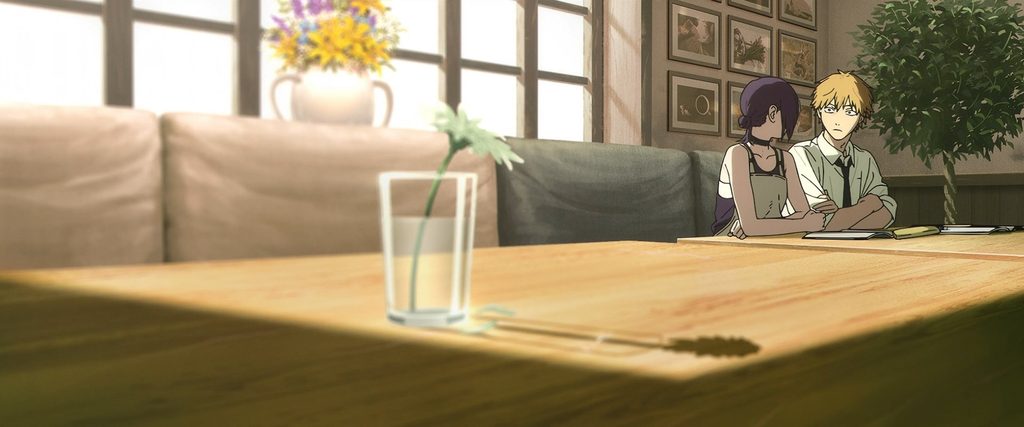
Ironically, the stereoscopic conversion made the movie feel way more “real” to me than the first season’s grounded directorial approach ever did. I also don’t think it would have worked as well with the old art style either, because the characters often look like they’re made of paper cut-outs (though not always). This works well with the new flatter manga-like artstyle and they’re pretty thoughtful about where each body part is in the z-axis. Nonetheless, the way the backgrounds are converted so perfectly makes everything feel very immersive.
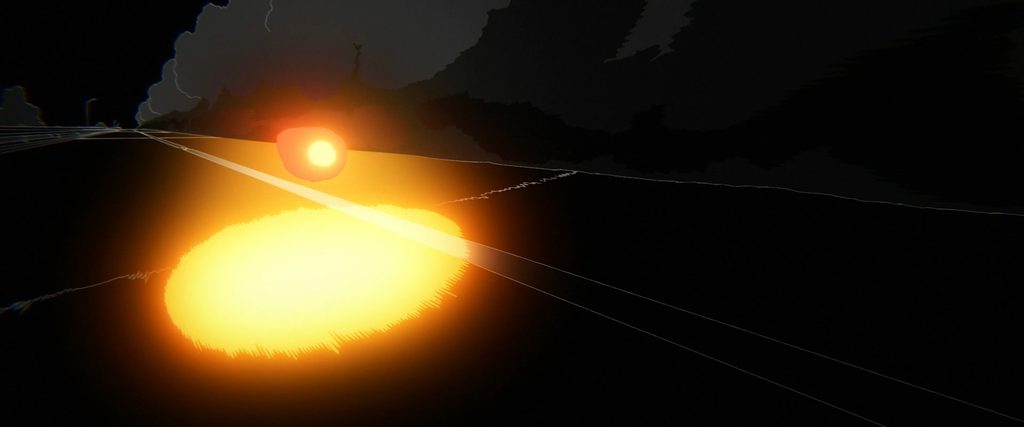
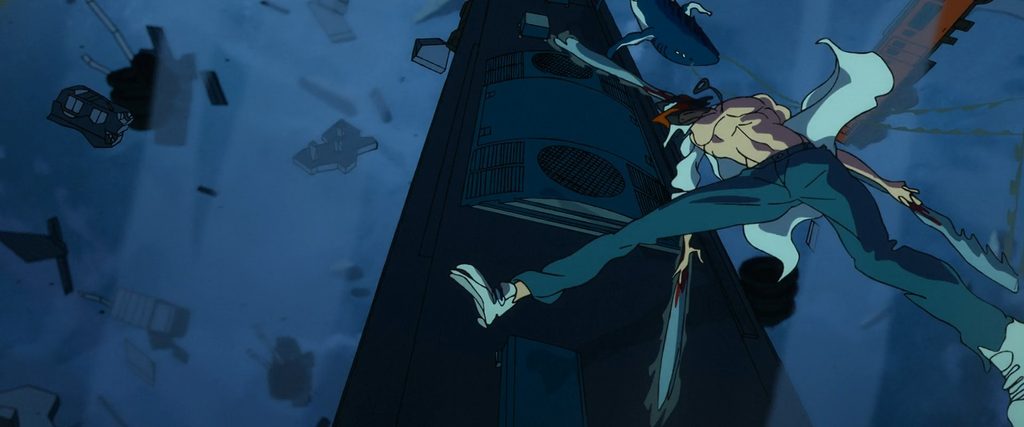
My favorite parts were the really stylized scenes, stuff you’re not used to seeing with depth. The movie has some really archetypal modern sakuga that you see often nowadays in high quality action anime. Techniques that video games or live action haven’t really adopted yet. Seeing scenes like these in 3D was stunning, and it felt like it might have been the first time anything like them had ever been made stereoscopic.
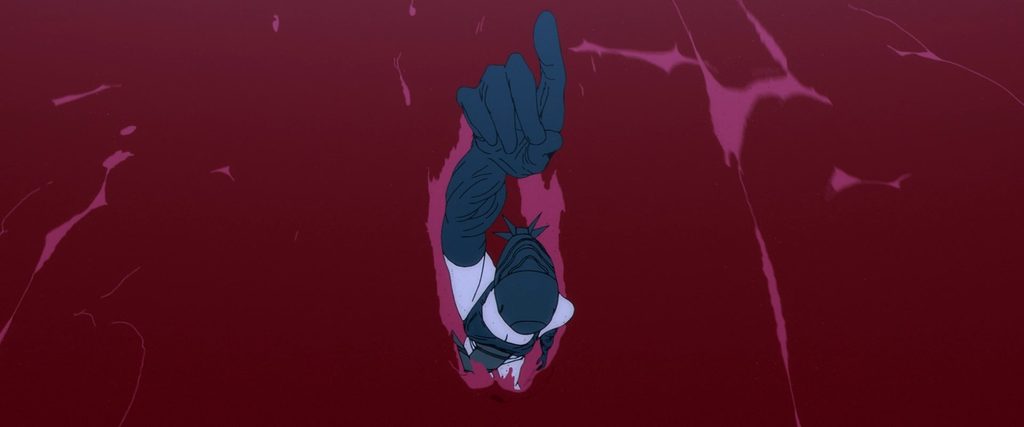
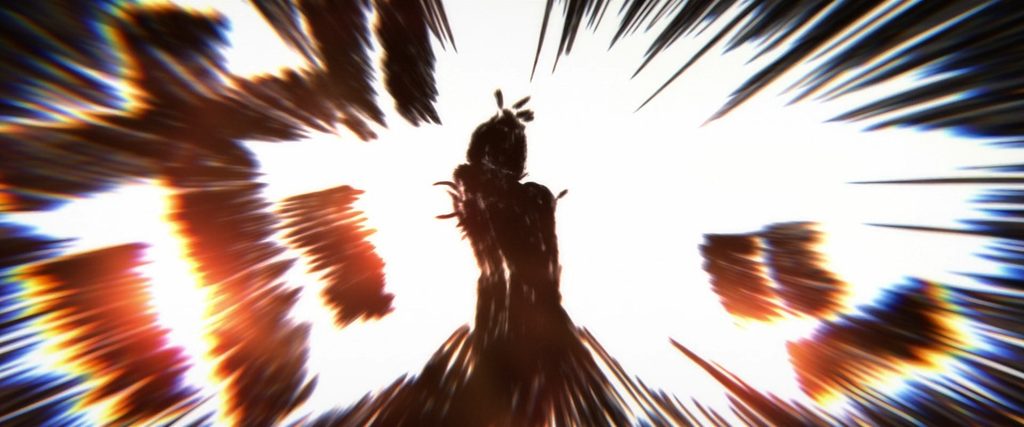
Pop-out effects were mostly reserved for the several moments where Reze flicks her fingers toward the screen to trigger her explosion attack. It worked so well and felt amazing every time it happened. I tried to depict that in my cover image at the top of this post.
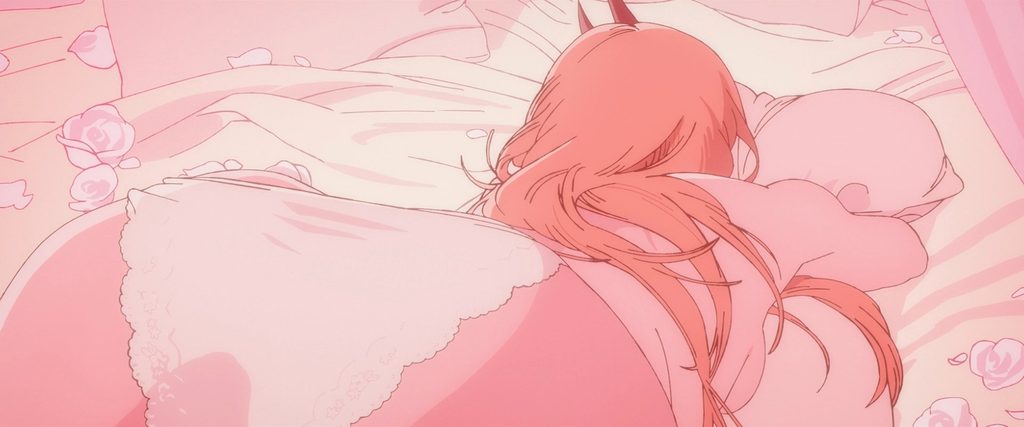
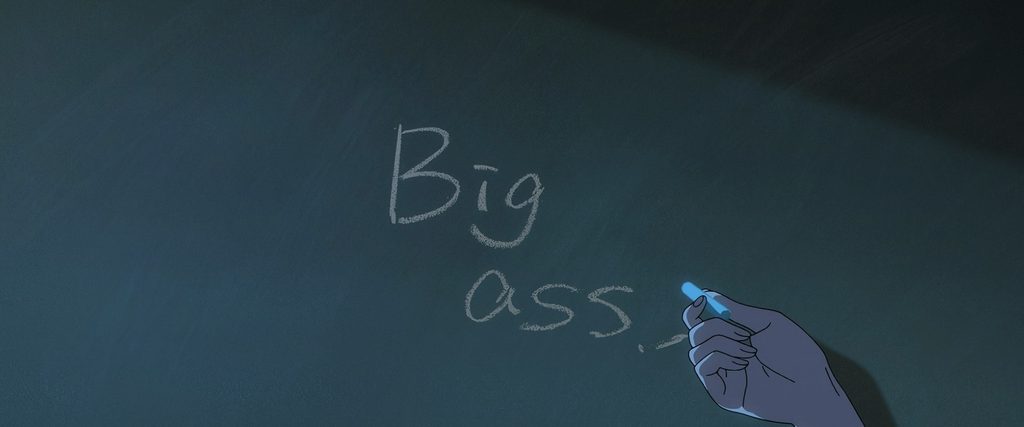
The one other notable instance of pop-out was Power’s ass during Denji’s fantasy sequence. Funnily, that whole sequence might have been where they put the most effort into making bodies feel wholly three-dimensional. I kinda respect it.
I’ve now seen Reze Arc a total of four times, which is a lot for me within just one year as I don’t have much of a habit of rewatching. I’m also really looking forward to the upcoming Chainsaw Man: Assassins Arc sequel.
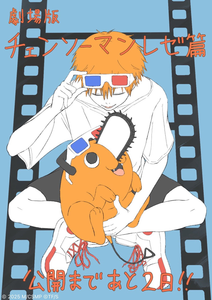
Hopefully the 3D version of the Chainsaw Man movie gets preserved in some way. As it currently stands, there are no ways to watch it anymore. Whether it’s through a 3D Blu-ray release or streaming for VR headsets. I don’t actually have a good method to watch 3D movies from home myself yet but it would be nice to know that in the future I could potentially watch it this way again, and for others to be able to watch it as well.
I actually caught the very last showing of Reze Arc in 3D in my city, so I came close to missing it. I feel really fortunate to have seen it and it’s not an experience I’ll soon forget.